Teasing the taste buds

Spice theatre
Strong, pungent, nutty, earthy, sweet, lemony.... words to describe smells and flavours. I realise that the aroma of food is the first key to open the door to the exciting world of delicious array of items. The flavours and aroma waft towards the nose and the olfactory nerve cells would wake up the taste buds to salivate. Then, we follow the nose to the food. Here would come the visual presentation to add to the sensory delight.   

The moment the oil is heating up in the pan and we add the first of the taste enhancers, the flavour has to burst forth and spread out from the kitchen to every corner of the house. Listen, Folks who cook and feed the members of the family! (Should I say, sniff around?!!) Know your spices for they are going to be your personal army /aides in making the mundane, exciting; routine, interesting!     

The kitchen with its cooking fire is considered sacred in the tradition of this land. Rightly so, as it addresses hunger and satisfies the basic need of food. Food is considered as 'gift of god' and it should be treated with respect. 

"ओ3म् अन्नपतेSन्नस्य नो देह्यनमीवस्य शुष्मिणः/

प्र प्रदातारं तारिष ऊर्ज्जं नो धेहि द्विपदे चतुष्पदे //

ओ3म् शान्तिः शान्तिः शान्तिः ! - यजुर्वेद ११.८३"

This is from Yajur veda and chanted as an expression of our gratitude for the food on our plate. 

It roughly translates as 

" O Lord Provider of food grains, & all edibles

Thanks for giving us food today.

May this food be decease-free and nourishing,

And be it good for my body, mind & soul, I pray !

O Benefactor of the donors & providers of food,

May all living receive their sustenance every day !

However, let's get back to the smelling exercise! As one who grew up savouring the distinct aroma of spices being tempered in ghee and gingelly oil, certain spices have become so close to me like those true and silent friends who always are there for you! And the person behind the magic was my patti (grand mother) whose culinary touch would lend a distinct aroma to the cooking. We call it "கை மணம்" ( kai manam) in Tamizh. The associations to the distinct flavours are strong - a zone of comfort and security, a space of joy)


My close friends are Jeera and pepper. They are the inseparable twins, the earthy jeera complemented by the hot pepper! They had been with me adding a flavour to dull moments, spicing up the low mood or simply wafting around me in their spice dance!

I can sense, the other friends from the spice box giving a dirty look - "You human! You easily forget how my presence in sambhar or rasam bursts out as mellow, yet complex aroma, moving through windows and passage ways to tickle the tips of olfactory nerve cells of any one crossing that smell zone!" said Dhania. 

"Aha! Can you think of your 'Kadi' or 'Morkuzhambu' (மோர்க்குழம்பு, a buttermilk blend) for mixing in the steamed rice or even sambhar without me?" crackled and spluttered the methi seeds in the hot pan. (Miss Methi missed her role in the pickles) Think of roasted methi powder combined with the right amount of asafoetida in hot oil poured over pickles. "High BP, cholesterol? What are they?"

You know, they all call out to me as I begin my cooking - my well laid-out plans just go in a smoke when my spice friends look up with bated breath! What are friends for if I can't respond to their call! They just edge their way into my thoughts through my nose. Yes, the distinct flavour , whirls around me as soft breath sometimes; at others, assail my nose in a gust. These trigger a particular image of the food and associated memories. I enter into this set up, touch and feel the spices and begin mixing them up to get the particular flavour and texture that I saw in the image. 

(Some days I get the result and the flavour just bursts on the taste buds, hmm... it is a moment of bliss! Then there are times when, the desired result remains elusive - perhaps I have missed the right blend and the right amount of roasting!) 

Most of the time, they reach out and blend with one another to give out that subtle yet tangible aroma. I never cease to be amazed by the way how 2 or more spices relate to each other, complement one another yet retain their unique flavour. But then, we need to know, which spice will go with which other spice and believe me! there are some who keep fighting with each other and let out an unwelcome odour! They have egos too. So you have to add and mix them with love, you should know which leads the way into the pan! 

I do not know about great chefs and those grand moms with ""கை மணம்"! This is my Kitchen dynamics or should I say kitchen theatre?


Why am I thinking about my spice friends now? The story goes like this: I got organic egg plant - long variety two days ago. (This vegetable gets its turn after months in my house and it has to be cooked only in a particular way!) 

But from the moment I got it, I was getting some images of vegetables dotted with the black nigella (Kalonji) seeds and the roasted jeera. So the flavour followed - that of panch phoran! It is a magical amalgam of five spices - a whole spice-blend rather than ground powder. It is thought to have originated in Eastern India. It is popular in northern parts of the country yet it is synonymous with Bengali recipes and cooking.


Five spices are added to the oil or ghee in the frying pan to let them crackle. This is what we call tempering and this is known as 'phoron' in Bengali, Baghaar' in Oriya and 'Chaunk' in Hindi. The crackling brings out the aroma and then we add other ingredients like Turmeric powder/dhania powder. The five spices are kalonji seeds, fenugreek seeds, fennel seeds, cumin seeds and "Radhuni' or 'ajmod. This last mentioned spice is typical in Bengal and surrounding areas. In rest of India, black mustard seeds is used instead of radhuni. They are dried fruits of a plant like ajwain (carom seeds). 

The five spices together, (even with mustard as replacement spice) when they pop up in the pan, the individual flavours move in sync with each other like ballerina/ballerino pirouetting and flowing to tantalise the nose!

So did I cook the baingan with panch phoron or what? Two days the image and the smells followed me demanding my attention and so I made it. Ah... ! the sense of harmony when what I cooked matched exactly with my sensory image! You need to experience it to understand the deep gratitude and harmony I had with my environment! I suppose I had spooned in a dose of care and love for the food as well as the people for whom I made it! That's how cooking a routine subji spiced up to be an intense drama!

Music in the morning

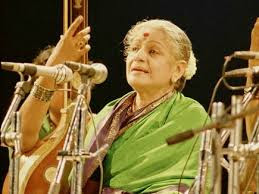
The clock struck 9 in the morning, and I rushed to tune to Chennai Vaanoli nilayam' (All India Radio, Chennai)  for my one hour connection with music. Even as the ever soothing divine voice of MS Amma was pouring out the emotion of a young woman's longing for Krishna - " in the garden where bees dance... he came and stole my heart!" {வண்டாடும் சோலை தனிலே கண்டு எனதுள்ளம் கொண்டான் சகியே!} - I realised that the life of the batteries is about to end. Seeing my excitement and recognising my desire to listen to that lilting mesmerising voice, My daughter A, installed the radio app in my mobile and tuned the radio station. Bless her - I was able to immerse myself in the magic of her music though for an hour only.

Once again, AIR rises to be a good patron. 16th September, 1916 was when the Nightingale of India, Madurai Shanmugavadivu Subbulakshmi was born in Madurai. She was hardly 10 when her first informal stage appearance happened. She said in an interview, “When it happened, I felt only annoyance at being yanked from my favourite game – making mud pies. Someone picked me up, dusted my hands and skirt, carried me to the nearby Sethupati School where my mother was playing before 50 to 100 people. In those days that was the usual concert attendance. At mother’s bidding, I sang a couple of songs. I was too young for the smiles and the claps to mean much. I was thinking more of returning to the mud.”

Her life story , like any of the other artist or any one of us, for that matter is filled with sudden twists, dreams, failed dreams, heartaches and successes. It is perhaps because of her simplicity, humility and  Bhakthi- soaked music, it is not analysed, criticised and judged with utmost disregard for others' feelings like it is done today. It is as though, people have instinctively related to all  these issues which have endeared her all the more to many of us. 

She identified herself with Meerabai when she did that role in the film. 


Jawaharlal Nehru and the Mountbattens watched the premiere of the movie (1947) and they were enamoured by her soul-stirring voice. When we close our eyes and tune our ears to listen to  "Giridhara Gopala", "More to giridhar gopal, dusaro na koi ", " Kunjan ban chhadi hai madho kahan jaun un chhaon" or the Tamil evergreen " காற்றினிலே வரும் கீதம்"  we are transported to Vrindavan and are charmed by Meera's Kanha. 

She never stopped learning and with utmost humility and respect she learnt at the feet of great musicians like Bade Gulam Ali Khan or Semmangudi Srinivasa Iyer. True, her name is synonymous with Bhakti and devotion, her knowledge and skill to make her music more intellectual was no less. She had chosen a path and an identity and her performances and music were in harmony with that. 

Ever heard of MS Blue and the story behind the name? Noted Carnatic singer T. N. Seshagopalan once said that  Muthu Chettiar, a weaver in Madurai, the birth place of Madurai Shanmugavadivu Subbulakshmi, had specially made a sari in ‘middle sea’ blue colour for the singer. It became ‘MS blue’, synonymous with the singer, popularly known as MS after she started wearing the blue colour saris in her concerts. (There may be others to claim credit for this. I am not able to verify this. In one version, Muthu Chetti is described as hailing from Kanchivaram.) This blue was a shade darker than sapphire and closest yet not exact to the royal.

Coming back to AIR - the programme began with " வண்டாடும் சோலை" in Harikamboji, followed by Panthuvarali kruti, रामनाथम भजेहम" and the main piece in Bhairavi - E nati nomu phalamo ( ఏ నాటి నోము ఫలమో). Then the mesmerising Punnagavarali composition of Shyama Sastri - "Kanaka Saila Viharini" was short but brought out the splendour of the raga and the bhakti of the composer for Kamakshi. 

A hip swaying "kaavadi chindhu" (காவடிச்சிந்து) marked the end of the programme. A Chindu in Tamil, originally refers to a couplet or poem set to a particular meter. Kaavadi is like yoke - carrying weight on two ends. Kavadi Chindus are sung by devotees as they carry the ‘kaavadi’ for Lord Muruga, typically up a hill, to ease out some of the strain and physical exhaustion during the journey. 


The ragas or the krutis never were given a cursory or hurried attention. It can be for 5 minutes or or for 15 minutes but in MS Amma's hands, (hands? voice/mind?), the feelings and thoughts behind the lyrics come alive as all the raga devatha  happily sit with her. 

Such good music not only lifts me up beyond the mundane things, it grounds me and align my inner self with the environment.

Travel on the city roads post relaxation.

Pandemic, lock-down, distancing and travel

Book an Uber cab and travel anywhere in the city - No, not any tagline, but this was my routine before the pandemic struck the world. At the drop of a hat, I used to fix a cab/auto to run my errands, meet with friends or go to school. 

Then, we got used to staying at home, ordering home deliveries of vegetables, fruits, medicines and groceries. Slowly online activities - webinars, zoom get together, video calls became the routine with the associated network problems. 

Social, cultural and linguistic shifts happened; meeting, socialising or classrooms scenario underwent drastic changes. Every one started using the new vocabulary - virus, pandemic, spike, asymptomatic, community spread, contact tracing, screening, self-quarantine... phew! the list is endless. 

The daily updates spreading through social media, perhaps kept the people entertained. Points and counter points, breaking news-fake news, the number of deaths and the number of people getting cured - just kept everyone busy. 

Still, there are people whose means of livelihood just disappeared; Think of the flower vendors, the auto and cab drivers, artists, daily wage earners and many others who depend on moving from one place to another. 

After six long months, there is relaxing of the rules and I booked an Uber and travelled almost 20 km to the suburbs(near Thambaram) for some religious ritual and function at my cousin's place. It felt good yet there was a restraint within me. The familiar roads and landmarks looked same yet appeared strange. The red and yellow city buses, people waiting to board the buses in the bus stops, young women walking purposefully towards work with their colourful hand bags swinging from their shoulders in rhythm to their steps or couple whizzing past on scooters and bikes, the ladies on the pillion dressed up in their finery, jasmine strings hanging over the shoulders. Are they going to some social /religious gathering - my thoughts ride with them for a while.  

Thanks to the small locality specific temples, the people selling garlands and other accessories needed for Pooja have opened shops. The pealing of temple bells, the dhamru's thumping rhythm, the honking of vehicles - all bring a nostalgia yet I can sense, they are far less than earlier times. The poor cows, who had a free run of all the roads now seem to be puzzled. They had forgotten the rush of vehicles. As far as the human beings - what little lane discipline they had earlier, appeared to have been wiped out  of their memory! 

As I moved southwards, passed roads leading to suburbs like, Nanganallur, Madipakkam and others, I saw different kind of people moving past on their bikes. In their typical attire - dhotis referred to as 'PANCHAKACHAM' and uthariya wrapped around the shoulders, Pundits were zipping past. 


For few minutes, I was curious about it - then remembered, it is the 'Pithru paksha or Mahalaya Paksha. These fifteen days leading up to the Amavasya (New moon) is considered the fortnight of the ancestors. Every community, according to their tradition, remember the ancestors and offer food. Many of them distribute food to poor and needy on one of the days. Still others follow the rituals with chanting specific mantras under the guidance of pundits. This is one means of livelihood for one group of people (Pundits who are well versed in observation of the many rituals and the accompanying vedic mantras). 

Once again I was thinking about the customs and traditions, faiths and beliefs across this land bounded by the mighty Himalayas and the ocean. This belief of respecting and remembering the ancestors, the diverse ways of this worship across different communities during this fortnight - the geography binds us together , has bound us through different times (history) - it is fused in to our life in such a way that it is like our handwoven fine cotton or silk


where we cannot see the weft and warp distinctively. I am reminded of the confluence of rivers in different parts of the country - 'Sangam' as we call it or Prayag like Vishnuprayag, Karnaprayag, Rudraprauag or Prayagraj!. 

Then I saw a message shared by my daughter, Priya. With her focus on yoga and vedic chanting and with her deep introspection, she added a new dimension to my thoughts. I could listen to 'Ganapatam' from Sukla Yajur veda.    

Her message gave me another interesting information: it seems,"It is not unique to India but special across Asia (Obon -Japan), Ghost festival in China, (Tet Trung Nguyen - Vietnam), Pchum Ben -Cambodia), (Baekjung - Korea), Sat Thai in Thailand and Mataka danes in Sri Lanka. There is slight date variation due to calendar variations. (Wiki carries lot of information about these festivals, I believe.)

Modern scientific approach may ridicule belief in ancestors' spirit, their connecting to the living. Our thoughts, feelings and questions float in the universe and many times we get our answers from the universe. How do we know that our ancestors do not send their responses in the universe? I come from a strong 'Advadic background and I do recognise and believe that once the 'Athma' or 'Atman leaves this physical body, there is no connection to this particular life. It can be roughly referred to as the soul. In the Hindu tradition, it is eternal, imperishable and beyond time. It is consciousness, pure and formless. 

(May be the all-pervading consciousness manifests as questions and responses!)


This serious introspection apart, the coincidences - I get a message from P when I am contemplating on the same, I was making the trip to be part of the annual rituals remembering my chithappa (chacha) and 2 days later, I observed a neighbour earnestly calling crows to come and eat the offering (part of the offering to ancestors). 

Yes, I had been reminiscing about the day's trip for more than 2 days; pondering about the thoughts that wanted to see daylight adorned with words. 

So, for two days, I travelled city roads, 20 km up and 20 km down, linking my thoughts with other thoughts floating there and blending with the moving people and vehicles. There are changes, yet I sense the caution, desperation and anxiety mingled with hope.

The wanderer and the lockdown

On the road after six months

 Five months, about 150 days - no stirring out of the confines of our residences - every one of us have to accept the lock-down rules and follow rules. 

The large size of the country and the sheer size of the population poses a daunting task for even the utmost efficient and responsible government; then consider the unique mix of our indifferent and insensitive administrative system at all levels and typical character of the people of this country to always break the rules! A favourable environment for the virus to make this land its home! 

The daily wage earners, auto/cab drivers, vendors and many others are constantly worried about the next meal. The government, thus, has relaxed the lock-down conditions enabling people to move from one town to another within the state but of course with the request and warning for people to be careful and not rush out like the water released from a dam. 

I had not ventured out except for brief walks in the morning hours. All public places where people gather forgetting to maintain distance are off limit for me. Many a day I was wondering about this restriction, trying to probe within - " Am I getting restless?" Do I miss preparing for a long tour/the travel or the diverse groups of people?" I don't think so. one thing flows into another and the days roll smoothly past.

When there was a talk about trains, railway stations and the rush to find our reserved seats, I certainly felt very nostalgic and sensed the longing lurking deep within me. 

After  weighing the pros and cons, we decided to travel by road to Tiruvannamalai to see my elder daughter and family(especially my granddaughter) and I could spend the 'Ganesh Chathurthi weekend with the immediate family members. Though the Ramanashram and the temple would be closed, 'Darshan of the mountain ('Annamalai) uplifts the spirit.

Ah,,,  packing things and getting ready for the travel - brought a surge of feelings and so the wanderer within me jumped with joy and did a quick twirl!! 


Those who happen to watch Tamil movies and particularly the MGR movie -"Anbe vaa" (அன்பே வா) would remember MGR's burst of energy and zest for life in the following song. (slightly modified by me!!)

"புதிய வானம், புதிய பூமி !

நான் வருகையிலே என்னை வரவேற்க புதுக் காலை விடிகிறது!

உடைய சூரியனின் பார்வையிலே உலகம் விழித்துக் கொண்ட வேளையிலே !"

 The song celebrates the beginning of a new dawn in a new place (Shimla)with 'Joie De Vivre'! The wanderer within broke out with this song during the morning drive with all beings waking up to a new morning. (All singing happened in the mental screen where images from distant pasts and recent times overlapped with the present whirred past) 

The piercing blue sky, glossy green leaves enjoying clean air sans fumes and smoke, the comparative silence of the route with less human disturbance triggered the senses sharply.

It was strange to see the 'Girivalam route (roads to go round the mountain in circumambulation) deserted and quiet  and the ashram gates tightly closed with no autos in front or people going in and coming out. But the earth seems to  have embraced this with joy. 

I had 2 days of waking up to the vision of the mountain and different bird calls. Had a great bonding time with daughters and my granddaughter. 

Getting back to the city on Monday morning, we got caught in a heavy traffic in the suburbs which uncannily looked like pre Covid time traffic. 


However, there is nothing like early morning drive by road though big and small towns and villages with velvety green fields on both sides of the road. The crops/plants are at different stages of growth - tender saplings, transplanted shoots, tall erect plants, cluster of plantain trees and the gently swaying coconut fronds and  one of the oldest natural vegetation of this state- the Palmyra just brought to memory the fertile stretch between Karur and Kulithlai in the delta. 


When I tried to look for continuity in the community life around.. what do I see? The early start of farming activities,cattle lazily feeding on dried grass, haystack and occasional bullocks grazing in the meadows could be the continuity across centuries. However, I could see tractors, heavy bikes instead of bullock carts and antenna on the roofs and the heap of plastic and non-biodegradable garbage jarring the senses. I am jolted back to the present - end of romantic dreams of the past! And that which takes the first place is the dress of women working in and around their houses - nightie, lifted up and tied around the knee like a skirt and one towel placed around the neck! Something special for this state, I think! I call it the 'national dress' of TN!!

Anyhow, reading those historic novels of Sandilyan again brought those kings like Karikal Cholan, his uncle, the traders from distant lands alive! What an amazing and fascinating time that long period starting just before Christ and going on up to 11th century CE was!

And my mind...! what kind of busy factory is that!  I am visualising horses trotting or galloping on those roads along the canals of Kaveri and feeling proud about the great Karikal Cholan who built a masonry dam across Kaveri built around 2000 years ago and the trade connection with Roman empire. 

I was wondering about the dreams and visions of those seafarers who sailed in uncharted waters, the narrow arms of Indian ocean with rocks jutting into the sea, the dangerous sea predators, pirates and tyrant rulers of distant lands. 

With this intense thoughts and visions, the travel went smoothly and here I am - back to routine but charged!

Credit: The first four photos have been shot by my daughter.)


Another day, a new way of looking at things with the young one.

 Lines, angles and shapes -all around us

Let me ask you a question - do you know other names for God Muruga? 

He is known as Karthikeya, Mayil vahana, Subrahmanya, Swaminatha and Shanmukha. He is called Shanmukha because he has six heads. Shiva is the father and Parvathy is the mother  - together they are represented in a star shape. 

Ah... I can see you rolling your eyes, and with a deep exasperated sigh say, "Paattii!". I am warming up to the story/subject, dear girl! 

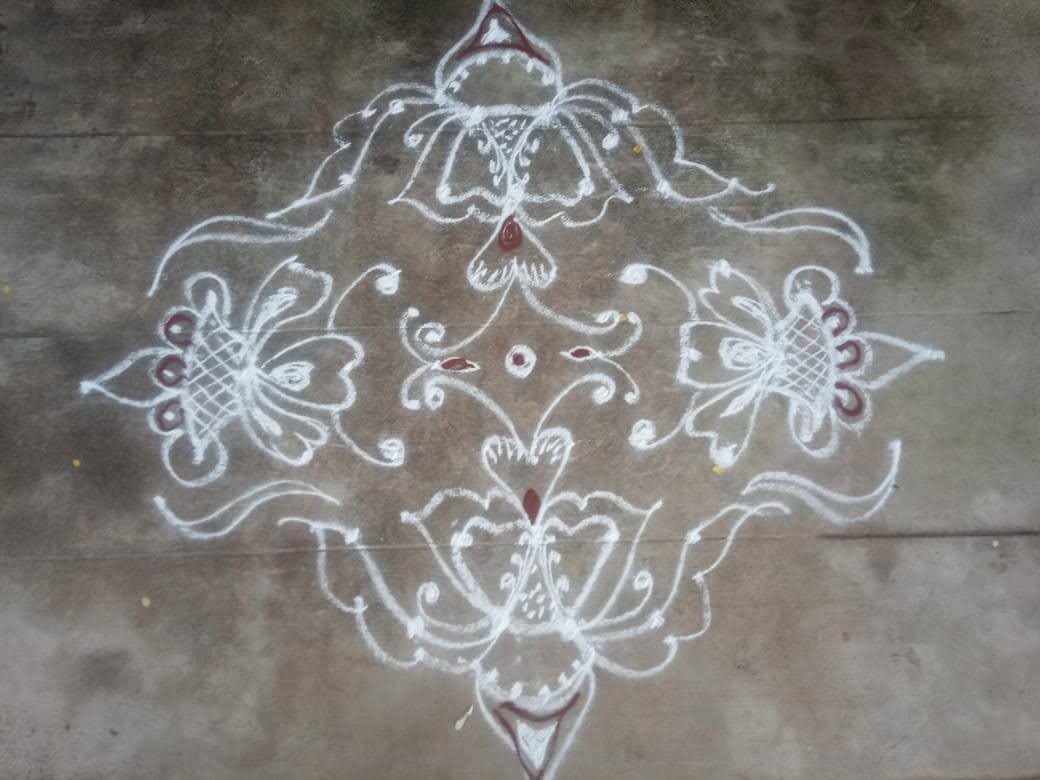
The lines, and the angles brought out in kolams have their own meaning and significance. There are specifis shapes for specific worships and pooja. Tuesdays are dedicated to the planet, 'Sevvaai (Mars) and also to Lord Muruga, the Commander of the armed forces of Devas. (Mars carries the name of Roman god of war.) So on a Tuesday, remembering Karthikeya I have drawn a pattern of kolam that has six sides and angles. 
Try guessing which is my design and which is Sudha patti's!! Both have six sides and six points to them. 
This Hexagon is an interesting shape which we can find in nature around us and the objects that we create as well. Look at these pictures, You will appreciate this. 


By the way, you can recognise triangle, rectangle, square, circle and a cubic shape, can't you? All around us, in nature as well as the things made by us, humans, we can see some angle, some shape or some line. Like you watch birds and recognise snakes, keep on the look out for these shapes around you. 


Grand-mom to grand daughter

கைவல்யாவுடன் கதைக்கும் நேரம் 

உருளை, சக்கரம், சுழற்சி,  வட்டம்   - நம்மைச் சுற்றி எத்தனை! கேட்டவுடன்  என்ன தோன்றுகிறது , உன் மனதில் ? சூரியன் தினமும் காலையில் உதித்து , மாலையில் மறைந்து, பின் அடுத்த நாள் அதே போல நடப்பது எதில் சேரும்? 17 ஆம் தேதி முடிந்தவுடன் 18 ஆம் தேதி தொடங்குகிறது. காலை பகலாகி, மாலை வந்து பின் இருட்டாகிறது. இது சுற்றி சுற்றி வருவது போல இயற்கையில் பலவும் ஒரு சுழற்சி தான், இல்லையா? நீ  இதைக்  கேட்டதுண்டா -  "நாட்கள்  உருண்டோடின" ? உன்னைச் சுற்றி எதெல்லாம் இப்படி உருளுகிறது  (சுழல்கிறது)?  

சக்கரம் மனிதனோட பெரிய கண்டு பிடிப்பு ! 


இலட்சக் கணக்கான 
 வருடங்களுக்கு முன்னால் மனிதன் மற்ற மிருகங்களைப்போலத் தான் இருந்திருப்பான் - இருட்டென்றால் பயம், குகைகளில் வாழ்வது, பசித்தால் உணவை வேட்டையாடி உண்பது என்று வாழ்க்கை இருந்திருக்கும்.  நெருப்பு எப்படி பற்ற வைப்பது என்பதை ஏறக்குறைய 10 இலட்சம் வருடங்களுக்கு முன்னால் கண்டு பிடித்தான் - கதை மாதிரி கற்பனை செய்து பார்க்கலாம்! 

( 'Red flower' in Jungle book ஞாபகம் வருதா? )

ஆனால், சக்கரம் அவன் கையில் அவ்வளவு  எளிதாகச் சிக்காமல் உருண்டு கொண்டிருந்தது! கிட்ட தட்ட 5500 வருடங்களுக்கு முன்னால் சக்கரம் மனிதன் கைக்கு வந்தது! மிருகங்களோடு மிருகமாய் இருந்தவன் எப்படி யோசித்து சுழலும் சக்கரத்திற்கு அச்சு தேவை என்று அறிந்திருப்பான்? 


ஆனால் அறிந்த பின்னாலோ , மனிதன் வாழ்க்கை வேக வேகமாக  மாறத் தொடங்கியது! சக்கரம் இல்லையென்றால் ஒரு இயக்கமும் இல்லை! 

எந்த வண்டி/எந்திரம்  ஓடும் ? இந்தப் பாட்டி எப்படி ஊர் ஊராகச் சுற்றுவேன்!!

மண் பாண்டம் செய்யும் குயவர் தான் முதலில் சக்கரத்தை பயன் படுத்தி இருப்பார்கள். 

 நீ அம்மாவுடைய  சர்கா  பார்த்திருக்காயா? இராட்டை என்று தமிழில் சொல்லுவோம். 
   

யார் கையிலோ அது சுற்றுவதை நீ படங்களில் பார்த்திருப்பாய்! யார் அது?


வாசலில் போடும் கோலம் எத்தனையோ வடிவங்களில் இருக்கும். இரண்டு நாட்களாக , என் விரல்கள் வழியாக விழும் இழைகள் சுழன்று வட்டமாய் உருவெடுக்கின்றன! நீ பாரேன்,  சதுரமாக ஆரம்பித்தது வட்டத்தில் முடிந்து விட்டது! பக்கத்தில் சுதாப் பாட்டி கோலம்! 


Grand-mom to granddaughter

 The Sun, worship, kolam and me

Today is called Sunday that brings to mind Sun, doesn't it? All over the world in many places, this day seems to be dedicated to Sun, so we hear the names - Søndag in Danish, zondag in Dutch, Sonntag in German, søndag  in Norwegian and of course 'Ravivar in Hindi, Rabibara in Bengali or ஞாயிறு in Tamizh. 

You know that we worship Sun and thank him during pongal, right? That is also known as Sankaranthi in Andhra and Karnataka and it is celebrated in many places across the country. 

Sun is the source of all energy and heat for life on earth. So from very early days, like many thousands of years ago, people must have looked up and observed how the sun heats up the earth, gives enough warmth for seeds to grow or suck water from different water bodies, keep the water droplets in clouds and pour down as rain - which we all enjoy, don't we?

You hear people chanting mantras from Vedas, right? The earliest veda is Rig veda and one mantra praises the sun- as one who removes darkness when he rises in the morning. Many more prayers are found in the Vedas. 

You mentioned about 'Aditya Hridayam' - Hope you know in which story/purana it comes? Yes, sage (Rishi)Agasthya has taught that to Rama and gave him some powerful Ashthras (weapons like missiles) also to Rama. 

Mahabharata has many stories with Surya - how can we not remember Karna, son of Surya?

Egypt

Helius, Greek god of sun


                                                          Like people were finding things to make life more and more comfortable, learning about planets, the sun and wrote beautiful poems and stories or built beautiful palaces and temples in our country, elsewhere in the world too, human beings were discovering many things by observation. Many of those early people like our ancestors understood the importance of Sun to life on earth. So they also worshipped Sun god in different ways with different names. You know, how much our farmers closely observe the Sun and plan sowing, weeding, transplanting and other activities, don't you? Some plants need more heat with good rains while some others need a cool climate but no rain.  

Far away, across the Arabian Sea, over Arabia, to our west is a country called Egypt. Heard of that country or the famous river Nile? The most important God was Re or Ra that is the Sun God. 

There are wonderful stories connected to Sun as God in different countries. When you have the right kind of interest and curiosity, they will find you. 

There may be many questions knocking on your brain walls, I can imagine them trying to pop out of the corner of your eyes! Haha...! 

Do you wonder why there are not many temples to Sun in our country? There must have been lot of importance to Sun long back with lot of people worshipping him. There are temples or remains of some beautiful temples  These can be found in Rajasthan, Gujarat, Madhya Pradesh, Chhattisgarh, Kashmir, Uttar Pradesh, Odisa and Assam. 

Some of them, even though broken and in ruins, are so beautiful. In the temple at Konark in Odisa, during a particular day, the rays of rising sun falls straight on the main God inside.


   After all these stories, now you can see the welcome kolam for Sun,        today.  Sudha patti probably wanted to draw a new design or expand one small kolam in a different way. Mine is a circle but her design is different. But, it looks like going in circles!!  

Do you have any questions?

  प्रश्नः,  प्रश्न , 'கேள்வி ,  ചോദ്യം (chodyam), 'Prashna' - ప్రశ్న, প্রশ্ন, प्रश्नः,  प्रश्न , ಪ್ರಶ್ನೆ( Praśne ), પ્રશ્ન, سوا...